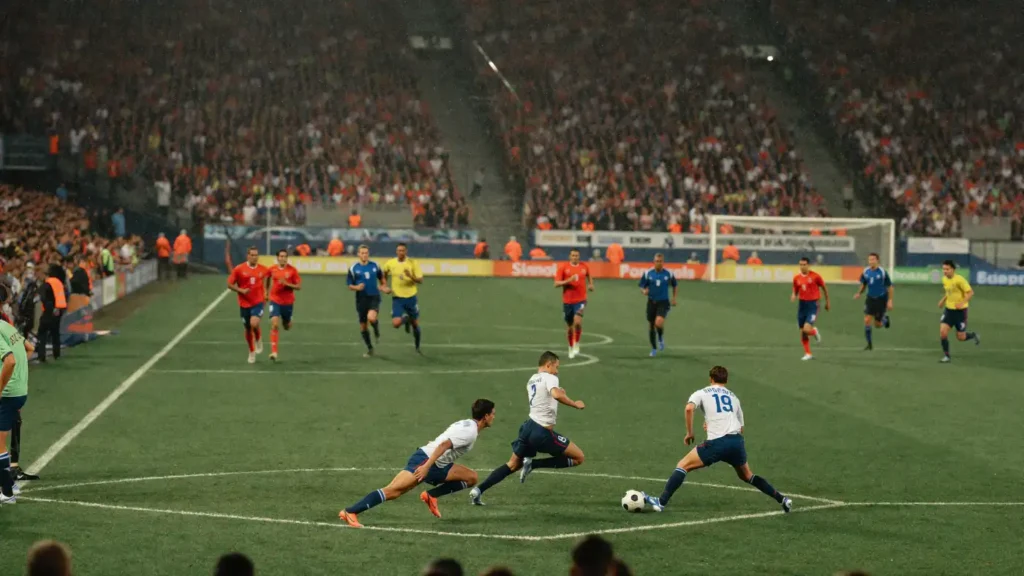
International soccer arrives at 2026 split between two ideas — control the ball, or weaponize the moments without it — and the opening matchdays have already put both on display.
Two schools, one trophy
Tournament soccer compresses risk. Club sides train a model for 60 games; national teams get a few camps and three group matches to find an identity. That is why the World Cup always reduces to the same duel — possession control against transition chaos — and why the smartest staffs in 2026 are building teams that can toggle between the two.
| Trait | Control game | Transition game |
|---|---|---|
| Tempo | Slow build, high field tilt | Vertical, first three passes |
| Defensive line | High, compact, counter-press | Mid-to-low block, springs |
| Key metric | Field tilt, final-third entries | xG per shot, sprints in behind |
| Wins by | Suffocating groups | Stealing knockouts |
| Dies by | One counter, one set piece | Chasing a deficit |
The wrinkles that decide knockouts
Four details to track once the bracket starts. First, set pieces: dead balls historically spike in value as games tighten, and more staffs than ever employ dedicated set-piece coaches. Second, the hybrid full-back — defenders who step into midfield to create overloads, the structural idea of this cycle. Third, the goalkeeper as the extra passer, the cleanest way to beat a high press without abandoning control.
Fourth, and unique to this tournament: environment. With afternoon heat and altitude across three countries, and the expanded five-substitute rule we covered in our rules explainer, squad rotation is now a tactical weapon rather than an emergency valve. Benches will win games in week three that starters won in week one.
Verdict
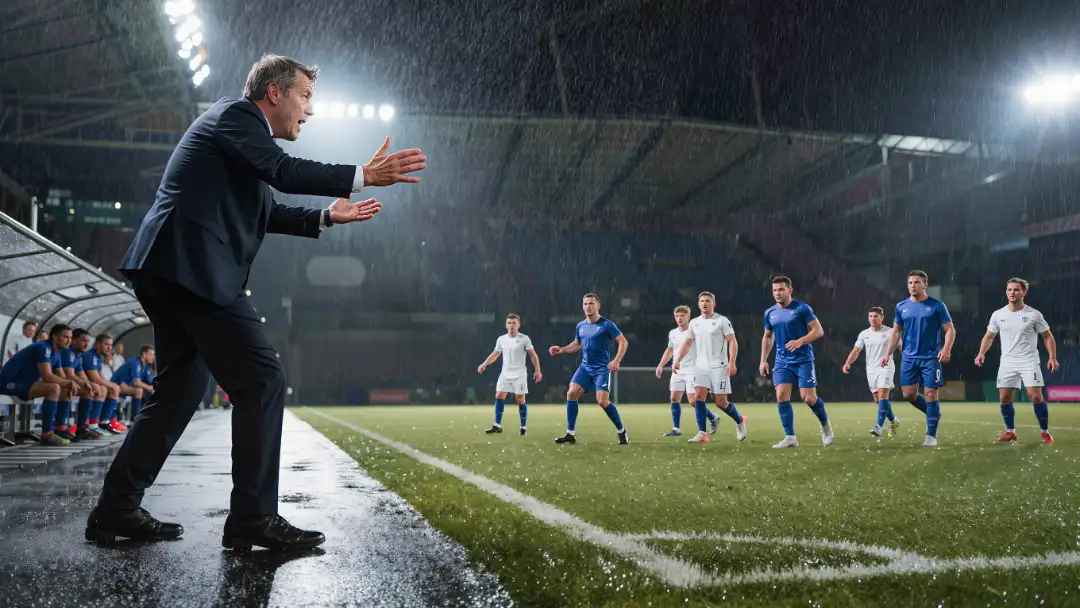
Control wins groups; transition plus set pieces wins knockouts. The champion in July will almost certainly be a team that dominates the ball when allowed to and is genuinely comfortable surrendering it when not — the tactical bilingualism that separated recent winners from recent favorites. For the deeper analytics vocabulary behind these trends, the modeling work at Opta’s The Analyst is the reference point.