The 2026 World Cup is not just bigger — its rulebook has quietly evolved too, from expanded VAR powers to a 10-second exit clock for substituted players. Six notes on the laws that will shape July.
1. Squads are 26 deep — and it shows in the football
Each federation names up to 26 players. Combined with the month-long calendar, that roster size turns tournament management into a rotation science: the teams that reach July 19 will have spread minutes across 20-plus contributors, not ridden a first XI into the ground.
2. Five substitutions, plus a sixth in extra time
Coaches get five subs in regulation, used across a limited number of stoppage windows, and an additional change if a knockout match goes to extra time. The tactical effect is real — fresh legs in minute 75 routinely flip the transição tática battle, and late-game volume ofensivo now comes disproportionately from the bench.
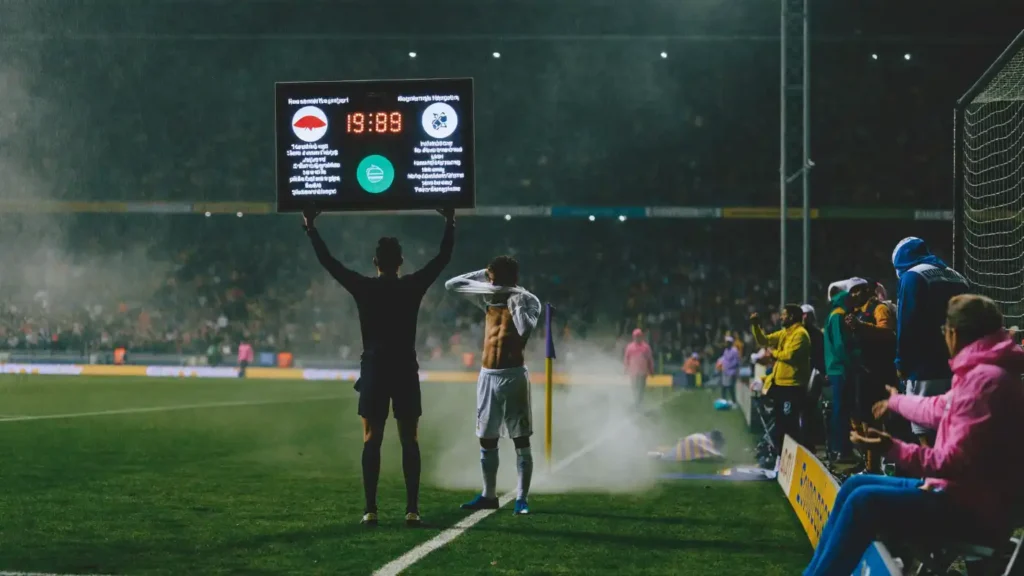
3. The 10-second exit rule kills slow walks
A player being substituted has 10 seconds to leave the pitch once the board goes up, a change aimed squarely at time-wasting. Expect referees to enforce it visibly in the group stage to set the tone.
4. VAR reaches further than ever
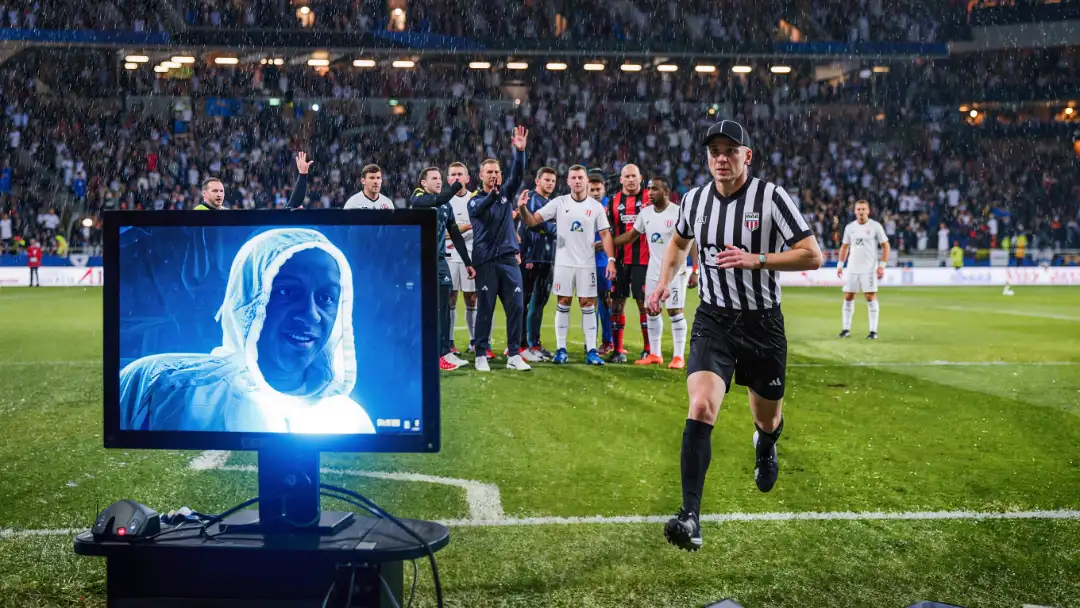
Video review now extends to corner-kick award decisions and to second yellow cards — a wrongly given second booking can be overturned before the red stands. The core review menu (goals, penalties, straight reds, mistaken identity) remains, but the new powers close two of the loudest controversy loopholes of past tournaments.
5. Extra time and penalties are unchanged — by design
Knockout ties still mean two 15-minute periods, then a shootout of five kicks and sudden death. FIFA considered straight-to-penalties formats in past cycles and kept tradition; the retrospecto histórico of dramatic extra-time winners argues for it.
6. Group tiebreakers reward attacking play
Level on points? The order runs goal difference, goals scored, head-to-head result, then disciplinary record before any drawing of lots. With eight third-place teams advancing on a comparative table, every late goal against a beaten opponent carries table value — a structural nudge toward keeping the média de finalizações high for 90 full minutes. The complete Laws of the Game text and tournament regulations live on FIFA’s official site.