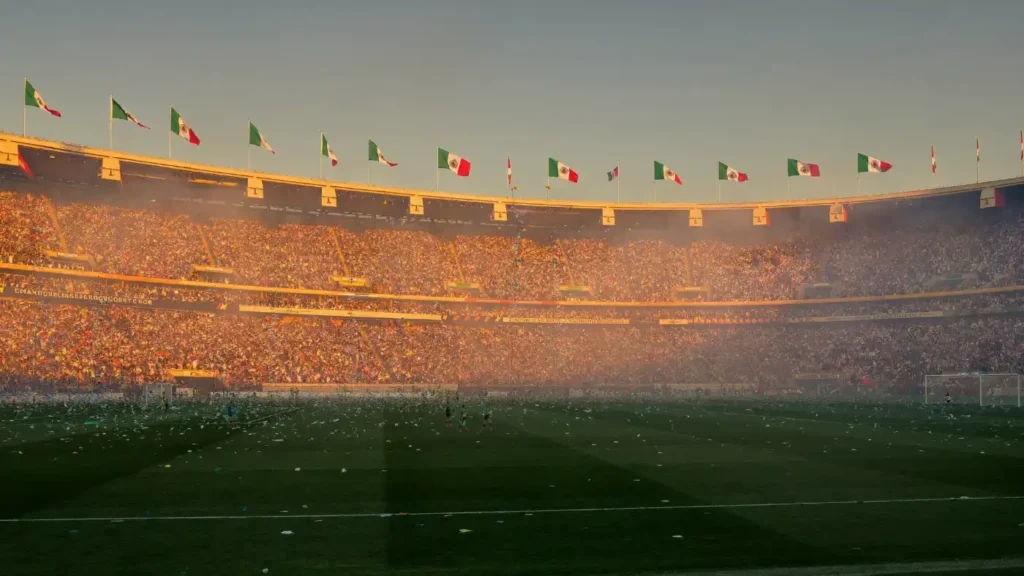
Mexico’s third home World Cup began exactly the way 87,000 people at the Estadio Azteca dreamed it would — a 2-0 win over South Africa — and now the only question that matters in Mexico City is whether home soil can finally push El Tri past the round of 16.
A perfect opening night, with one ugly asterisk
Julián Quiñones needed nine minutes to score the tournament’s first goal, and Raúl Jiménez added the second from the spot of a flowing move in the 67th. Mexico controlled the match with 55 percent possession and 16 shots, and Quiñones — five shots, five completed dribbles — looked like the most dangerous player on the pitch.
The asterisk: three red cards. South Africa lost Motjeka Sithole in the 49th and Themba Zwane three minutes later, turning the second half into a training exercise. Then César Montes saw red in the 90th for a deliberate foul — which means Mexico’s starting center-back is suspended for the Group A meeting with South Korea in Guadalajara on June 18, against an opponent that just beat Czechia 2-1.
The quinto partido is not a fixture. It is a national obsession — the game Mexico has spent three decades trying to reach.
How Mexican soccer media have framed the round-of-16 barrier since 1994
The quinto partido problem, by the numbers
From 1994 through 2018, Mexico reached the round of 16 at seven consecutive World Cups — and lost all seven. The “quinto partido,” the fifth game, has been played by El Tri exactly twice in the modern era: 1970 and 1986. Both times, the tournament was at home. Both times, the Azteca carried Mexico to a quarterfinal.
That is the entire argument for 2026 in two sentences. Home World Cups are the only ones where Mexico has broken its ceiling, and this one arrives with a friendlier bracket than any before it: the expanded 48-team format adds a round of 32, giving group winners a softer first knockout opponent than the old straight-to-the-contenders format ever did.
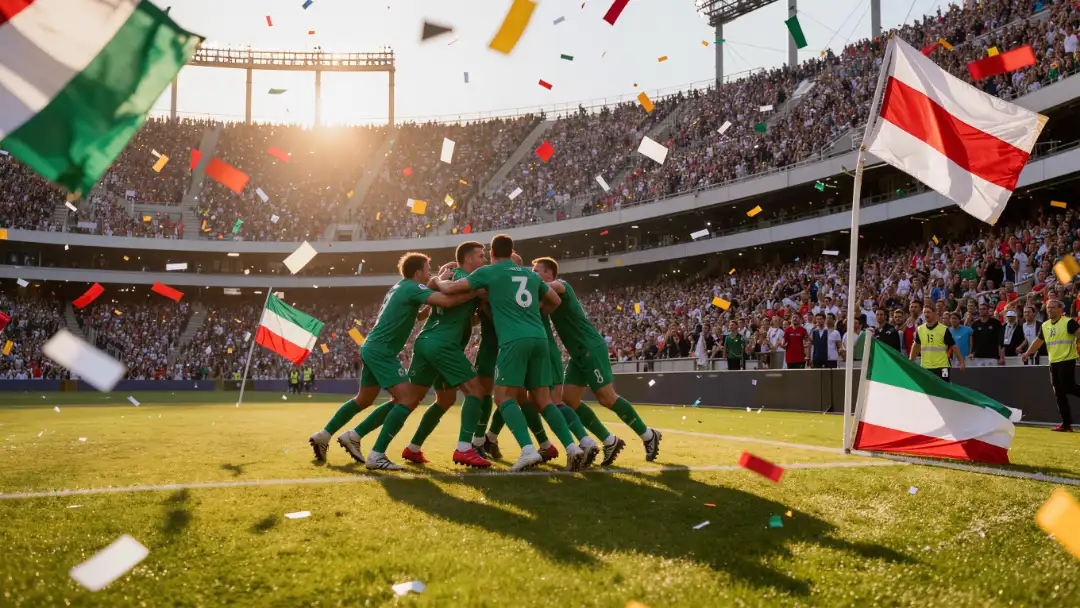
What the Azteca gives — and what it demands
The Azteca sits at roughly 7,300 feet, and visiting teams feel every one of them — a structural edge we broke down in our look at heat and altitude at this World Cup. The stadium itself is now the only venue on earth to open three World Cups, a history we traced in our Azteca retrospective.
What it demands is harder to measure. Mexico’s 1986 run came with Hugo Sánchez at his peak; the 2026 squad, with Jiménez at 35 and a defense that just lost Montes for a match, will need the group stage to build rhythm rather than survive it. The full Group A schedule and squad list are on FIFA’s official tournament hub.
Win Group A, and the path opens: a round-of-32 game against a third-place qualifier, likely at the Azteca again. The quinto partido has never been closer — which, in Mexico, is exactly what people said in 1998, 2006 and 2014. The difference this time is the building.