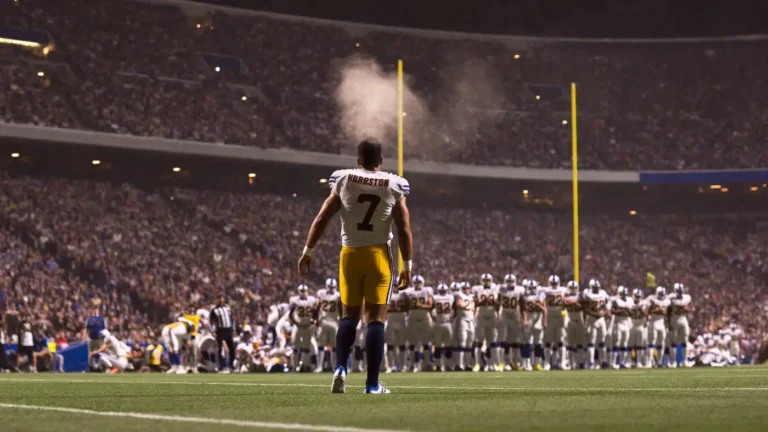
Twenty years ago, going for it on fourth-and-2 from your own 45 got coaches fired. Today, punting in that spot gets them roasted by their own analytics department — and the math behind the shift fits in one table.
Go vs kick: the decision in expected points
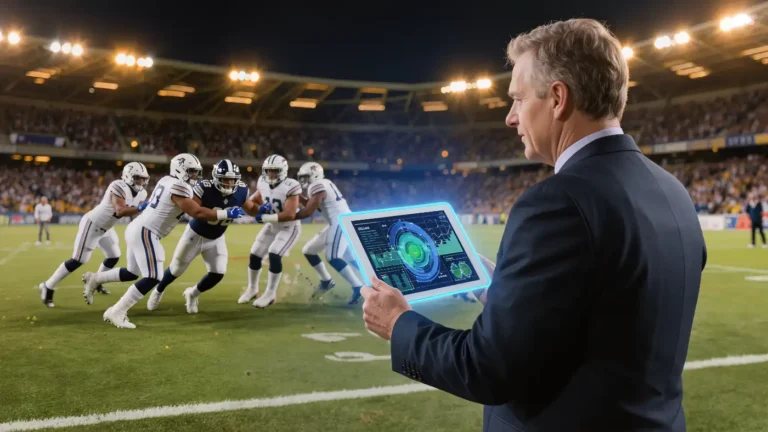
Every fourth-down choice is a comparison of three expected-points-added (EPA) branches: the conversion attempt (success rate times the value of a fresh set, minus the cost of failure), the punt (field position traded for possession) and the field goal (kick probability times three, minus the short-field handback on a miss). Modern models simulate all three in real time.
| Situation | Old-school call | Model’s call | Why |
|---|---|---|---|
| 4th-and-1, own 40 | Punt | Go | League-wide conversion ~70% on one yard; possession beats 40 yards of field position |
| 4th-and-2, opp 45 | Punt | Go | Punt nets ~30 yards; failure leaves opponent in neutral field |
| 4th-and-5, opp 35 | Long FG try | Often go | 52-yard attempts are coin flips; a miss gifts the 42 |
| 4th-and-8, own 25 | Punt | Punt | Low conversion odds; failure is catastrophic — models are not reckless |
Why the league moved
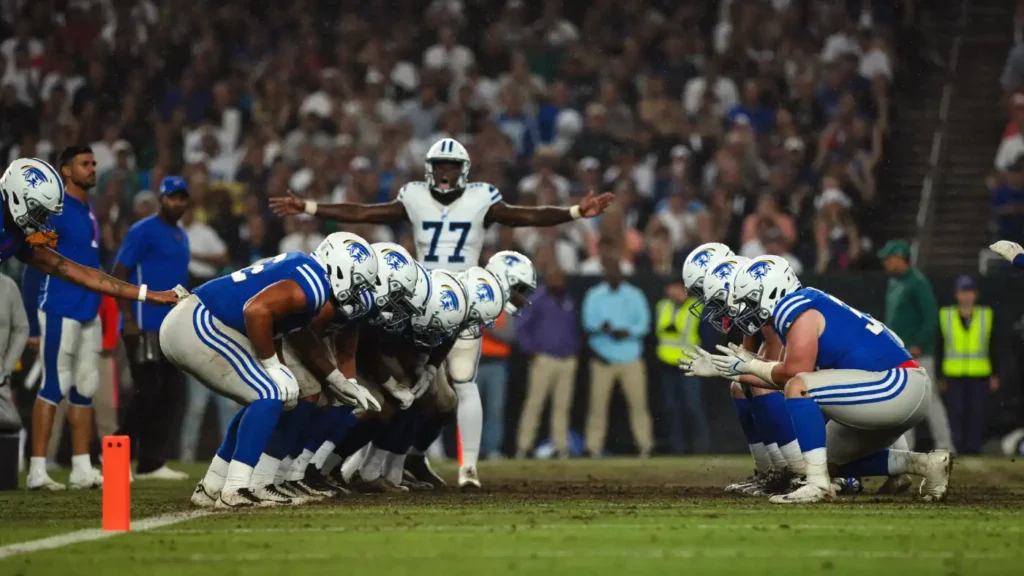
Three forces converged: tracking data sharpened conversion estimates by distance and personnel; offensive efficiency rose, raising the value of every possession; and a generation of coaches arrived fluent in win probability rather than field-position dogma. Fourth-down aggressiveness has climbed steadily for a decade, and short-yardage packages — the quarterback sneak above all — are now a roster-building consideration, not an afterthought.
Where the models and the sideline still disagree
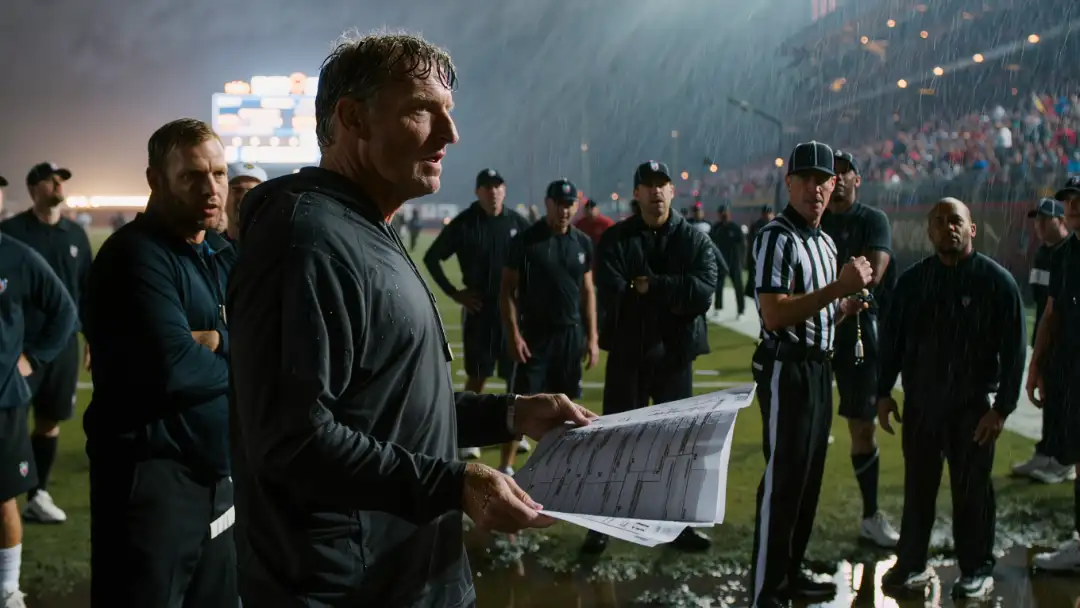
The chart is an average; a Sunday is not. Coaches fold in what the model cannot see — a banged-up left guard, a defensive front that has stuffed three straight sneaks, weather, and the asymmetric job risk of a failed gamble on national television. The defensible criticism of pure analytics calls is variance management late in games: a high-EPA decision can still be a low-win-probability one when a single first down ices the clock. The best operations treat the model as a strong prior, not a verdict — and the league’s own primer at NFL Football Operations shows how teams build that decision stack.
The verdict
On the numbers, the aggressive era is simply correct: teams that go for it in model-endorsed spots add meaningful win probability across a season, and the punt-first orthodoxy of the 2000s cost its adherents real games. The edge now belongs to the staffs that execute the short-yardage play, not the ones still debating whether to call it.