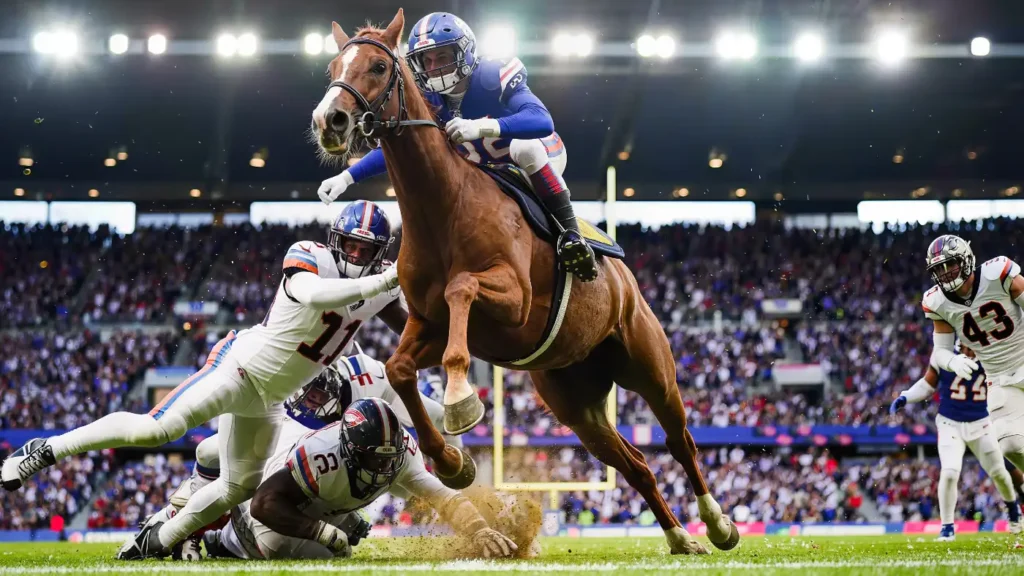
Zero-RB, Hero-RB or Robust-RB: every fantasy draft is secretly a bet on how you think running backs break. The three structures answer the same question — when do you buy the most fragile position in football? — with three different risk profiles.
The three builds, side by side
| Structure | Rounds 1-3 | The bet | Fails when |
|---|---|---|---|
| Zero-RB | WR/WR/WR (or TE) | RB injuries create free value later | Elite RBs stay healthy all year |
| Hero-RB | RB then WR/WR | One anchor + receiver depth | Your one anchor goes down |
| Robust-RB | RB/RB (even RB/RB/RB) | Scarcity: own the position | Receiver runs leave you thin |
How each one actually plays out
Zero-RB floods your roster with receivers while rivals pay premium prices for backs, then attacks the waiver wire when injuries reshuffle backfields — which they do every single season. It demands active management and a strong stomach in September.
Hero-RB is the compromise: one elite anchor back in round one (the Bijan Robinson pick), then receivers for three or four rounds. You get the positional edge without betting the whole draft on it.
Robust-RB doubles down early, banking on the fact that startable backs vanish by round five while useful receivers last into round ten. In 2026, with the deepest receiver pool in years behind a thin RB middle class, that logic is stronger than usual.

The verdict for 2026
The board itself leans Hero-RB this year: the elite back tier is short, the receiver middle class is enormous, and ten new offensive systems make mid-round backfields unusually murky. Take the anchor if you draft early, pivot to Zero-RB from the turn, and let position runs — visible in any draft lobby on NFL Fantasy — tell you when to break your own rules. Structure is a plan, not a prison.