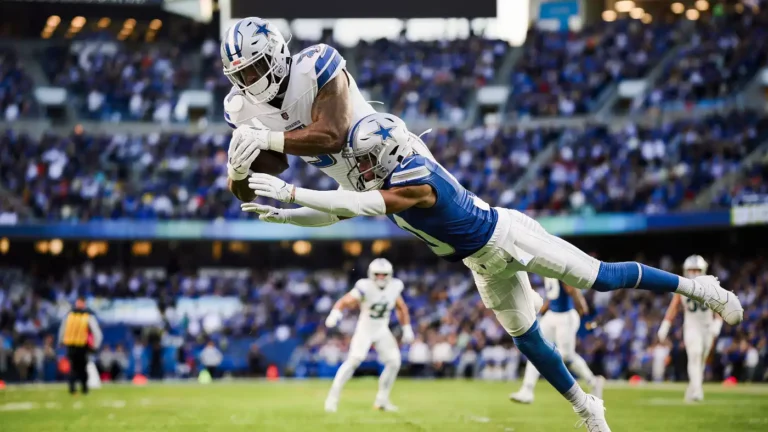
Keeper leagues hand you one decision that outweighs your whole draft: who to keep, and at what cost. The math is simple once you see it — a keeper is only worth the gap between his value and his price. Five takes from the desk.
1. Keepers are trades with your future self
Keeping a player at his round-six cost means your future draft has no round-six pick. The question is never “is he good?” — it is “is he better than everyone who will exist at that slot in August?” Value minus price, nothing else.
2. Surplus beats star power
A top-five back kept at a first-round price returns almost nothing extra: you pay retail for retail. A breakout receiver kept in round eleven who now drafts in round three returns eight rounds of free value. The biggest name is rarely the biggest surplus.
3. Mind the aging curve
A cheap keeper at the wrong age is a trap. Running backs decline early and fast; receivers hold value deep into their twenties. Between two equal surpluses, keep the position that ages slower — or the rookie, like this year’s Jeremiyah Love class, whose price is fixed while his value is still climbing.

4. Escalators change everything
Many leagues raise a keeper’s cost each year — a round per season, typically. Under escalation, the question becomes when the surplus dies: a round-ten keeper at +1 per year is free money now and a market-rate player in three seasons. Sell the asset one year before the math breaks.
5. Decide with the draft board, not the heart
The clean test before any deadline: line your keeper candidates against the consensus board for the rounds they would cost (current ADP is public on ESPN Fantasy). If the player you love would not be your pick at that slot in a fresh draft, you are keeping a memory, not an edge — and memories score zero points in Week 1.