The 2026 World Cup swaps the familiar 32-team bracket for a 48-team, 104-match design — and the changes run deeper than size. Here is how the new format actually works, question by question.
How are the 48 teams organized?
Twelve groups, A through L, with four teams each. Every side plays three group matches between June 11 and June 27, exactly as before — what changed is the math around them. With 16 more teams in the field, the group stage alone now produces 72 matches, more than the entire 1990 World Cup.
The seeding still followed the FIFA ranking at the December 2025 draw in Washington, D.C., so each group pairs one heavyweight with three sides from different confederations.
How many teams advance?
Thirty-two. The top two in each group go through automatically — that is 24 — and the eight best third-placed teams complete the field. The comparison between third-placed sides uses points first, then goal difference, then goals scored.
What is the round of 32?
A brand-new knockout round, played June 28 through July 3, that replaces the old jump straight to a round of 16. It adds one extra win — and one extra chance to lose — between every contender and the trophy. A champion now needs eight victories instead of seven.
What are the group tiebreakers?
Points, then goal difference, then goals scored. If teams are still level, the results between the tied teams decide it, followed by fair-play points and, as a true last resort, the drawing of lots. The full text sits in the official tournament hub.
Does the new format change how teams play?
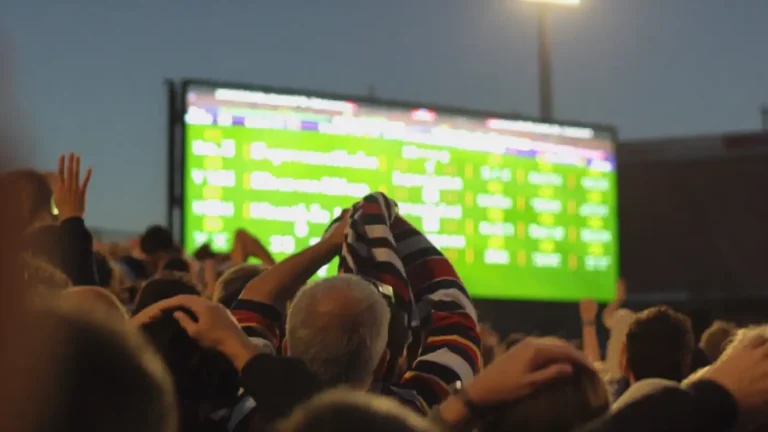
It should. With eight third-place tickets on offer, a cautious opening loss is no longer fatal — but goal difference becomes a live currency from the first whistle. Expect favorites to keep starters on the field deep into comfortable wins, and expect the last round of group games to produce scoreboard-watching of a kind the World Cup has never seen.