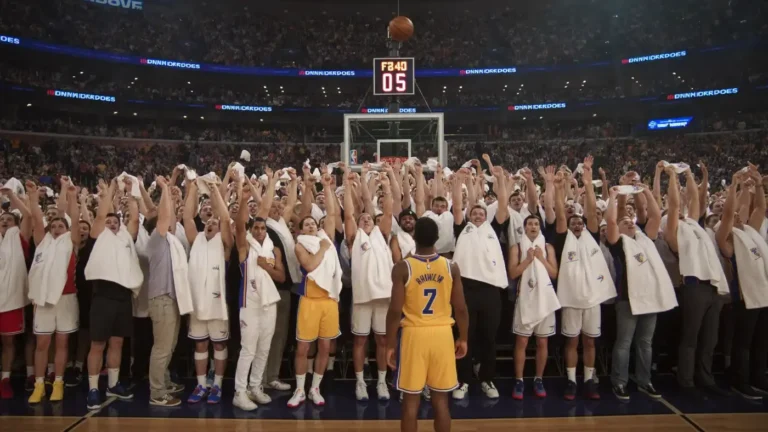
Two of the first four games of these NBA Finals were decided by a single possession — which makes this the right week to define what “clutch” actually means, what the data supports, and which beloved myths fail the test.
The definition is narrower than the legend
The NBA’s official stat pages define clutch time as the final five minutes of the fourth quarter or overtime with the score margin at five points or fewer. That tight window is the entire statistical universe behind every “clutch gene” debate — a few dozen possessions per team per season.
What the data actually supports
Three findings repeat across seasons of league tracking data. First, scoring efficiency drops league-wide in clutch time: defenses tighten, pace collapses and isolation share spikes. Second, free-throw shooting is the most stable clutch skill — a 90 percent shooter stays a 90 percent shooter with the building screaming. Third, team-level clutch records are wildly unstable year to year, which is the statistical signature of small samples, not character.
That last point is the one fans resist. A team that goes 28-12 in clutch games one season routinely regresses to .500 the next. Possession-level skill persists; win-loss luck in 40-possession samples does not.

The myths that fail the test
The “clutch gene” as a separate talent largely evaporates under controls for shot quality: most stars’ clutch efficiency tracks their normal efficiency once you account for the brutal shots they are asked to take. Hero-ball isolation, the default crunch-time offense, produces worse points per possession than the same team’s regular sets. And the most repeatable clutch advantages are boring ones — defensive rebounding, turnover avoidance and free-throw rate, the same Four Factors that decide the other 43 minutes.
These Finals have been the perfect lab: Game 2 ended 105-104 and Game 4 came down 107-106 after a 29-point comeback. None of those endings required magic. They required teams executing the possessions the data says matter most — which is what clutch, stripped of the mythology, actually is.