
Every World Cup draw produces one group that makes coaches wince, and 2026 has a genuine argument among three: Group H (Spain and Uruguay), Group K (Portugal and Colombia) and Group L (England and Croatia) all stack two heavyweight pedigrees against ambitious challengers.
What makes a group of death in a 48-team format
The math changed in 2026. With the top two advancing automatically and the eight best third-place teams also surviving, a four-team group needs three legitimate knockout-caliber sides before it truly bites. The retrospecto histórico says depth matters more than star power: a group is dangerous when its third-best team would finish second elsewhere.
Group H: two former champions, one ticket to first place
Spain arrive as reigning European champions with the deepest midfield pool in the tournament, while Uruguay under Marcelo Bielsa press with an intensity few group opponents can match. Their head-to-head in Guadalajara on June 26 will likely decide first place — and the loser inherits a harder bracket path. Saudi Arabia and Cape Verde make the volume ofensivo of the two favorites the probable tiebreaker: goal difference against the bottom two could matter as much as the direct clash.
Group K: Portugal, Colombia and a dangerous floor
Portugal bring a golden-generation core to what is likely Cristiano Ronaldo’s sixth and final World Cup; Colombia bring South American qualifying form and midfield control built on high posse de bola. Uzbekistan, a debutant, were the best of Asia’s emerging class in qualifying — there is no walkover here, and the June 27 Portugal–Colombia closer in Miami could be a de facto knockout for seeding.
Group L: England, Croatia and no margin for error
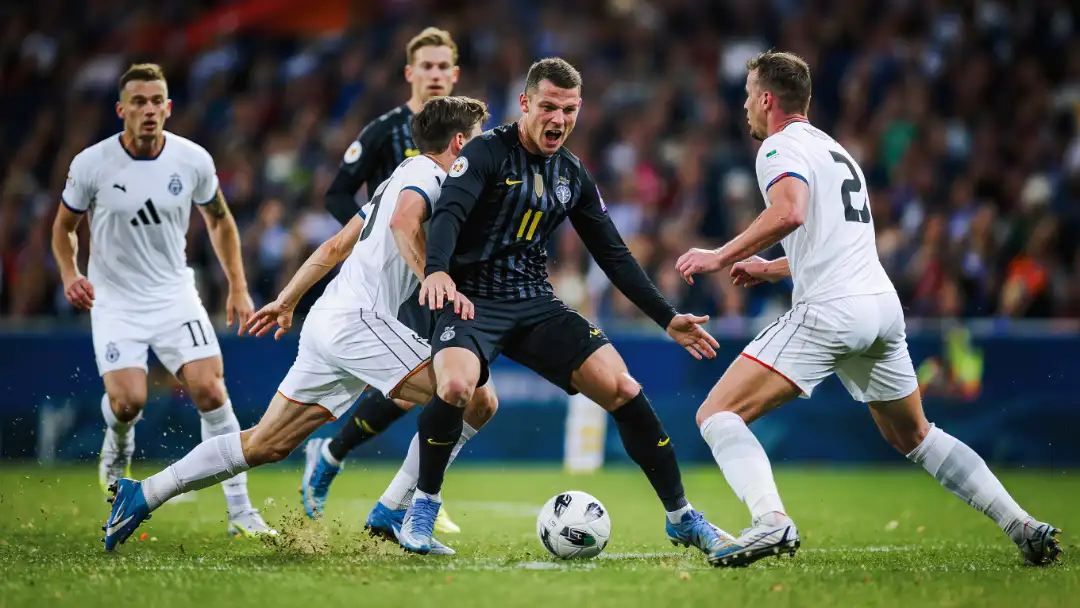
England under Thomas Tuchel are structured, direct and deep at every position; Croatia have made a generation-long habit of outlasting richer squads in tournament play. Ghana add athleticism and transição tática that punishes sloppy build-up, and Panama bring CONCACAF home-soil energy. The England–Croatia opener in Arlington on June 17 is the single highest-stakes match of the first week.
The verdict, by the numbers
Weighing average squad value, recent tournament results and the média de finalizações conceded in qualifying, our editorial read ranks Group H as the hardest, with Group K a close second and Group L third. Reasonable analysts can reorder those three; nobody puts a fourth group in the conversation. The complete group-by-group breakdown is on FIFA’s official tournament hub.
One caution from history: the consensus group of death rarely eliminates the favorite. It eliminates the second favorite — which is exactly why Uruguay, Colombia and Croatia supporters should circle those final group dates.