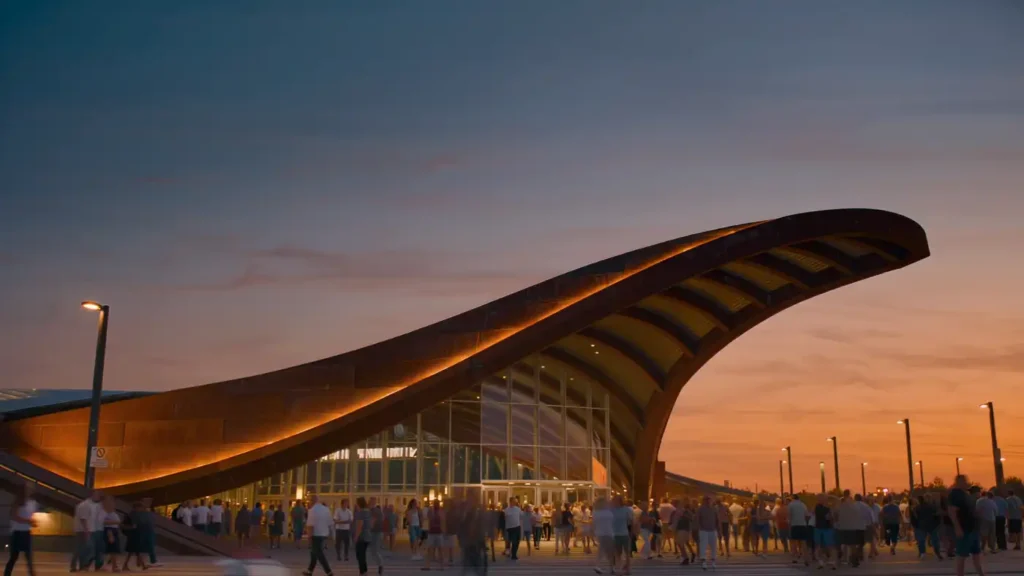
The 2026 NBA Draft runs June 23–24 at Barclays Center in Brooklyn, with 60 picks over two rounds and the Washington Wizards on the clock first. Here is the complete how-it-works: dates, broadcast, eligibility and what happens between now and the first selection.
The road to draft night: key dates
- May 10 — Draft lottery in Chicago: Washington wins the No. 1 pick, ahead of Utah, Memphis, Chicago and the LA Clippers.
- May–June — Combine, team workouts and the international withdrawal deadline reshape boards week by week.
- June 23, 8 ET — Round one, live on ESPN and ABC: 30 picks, five minutes each on the clock.
- June 24 — Round two on ESPN: picks 31–60, two minutes per selection.
The format: 60 picks, two nights
The draft’s two-night format separates the rounds: the green-room theater of round one on Tuesday, and the faster, trade-heavy second round on Wednesday. The 2026 edition is the 80th draft — and the first since 2021 with a full complement of 60 selections, since no team forfeited a pick this cycle.
Only the top four picks were decided by the lottery drawing. The remainder of the first round and the entire second round follow reverse order of regular-season record, adjusted for the trades that have moved several lottery picks already — Indiana’s selection conveys to the Clippers at No. 5, New Orleans’ to Atlanta at No. 8.
Who can be drafted
Eligibility runs on two clocks. A player must turn at least 19 during the calendar year of the draft, and American players must be one year removed from their high school class. College players can test the process — attend the combine, work out for one team per year — and withdraw up to two times without losing NCAA eligibility, which is why the final entry list keeps shrinking until the deadline.
Picks themselves are tradeable assets the moment they are made; draft-night trades are announced as “selections on behalf of” another team while paperwork catches up. The full pick-by-pick order and prospect database live at the NBA’s official draft hub.
What to actually watch for
Three storylines frame the night: whether Washington takes the consensus ceiling (AJ Dybantsa), the readiest player (Cameron Boozer) or the highest-usage offensive engine (Darryn Peterson); how early the second tier of guards starts coming off the board; and which contender buys its way into round one — cash considerations and future seconds change hands every year once the green room empties.